

PTFE Polymer
-
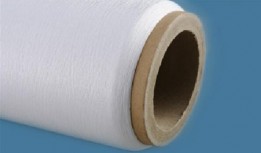
PTFE Filament Yarn
PTFE filament yarn has good heat resistance, a high tensile strength and is chemically resistant. Additionally it offers low elongation and excellent abrasion resistance characteristics. PTFE filament can be processed into types of high-performance mesh, fabric, sewing thread, dental floss...Read more -
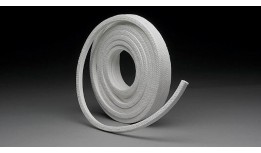
PTFE Fiber
PTFE is an excellent electrical insulator with good dielectric properties. This is especially true at high radio frequencies, making it eminently suitable for use as an insulator in cables and connector assemblies and as a material for printed circuit boards. Combined with its high melting temper...Read more -
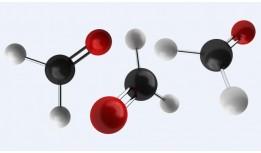
PTFE Uses
PTFE is a fluorocarbon solid, as it is a high-molecular-weight compound consisting wholly of carbon and fluorine. PTFE is hydrophobic: neither water nor water-containing substances wet PTFE, as fluorocarbons demonstrate mitigated London dispersion forces due to the high electronegativity of ...Read more -
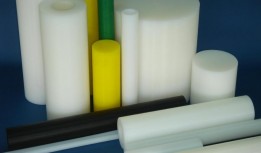
PTFE Feature and It’s Types
PTFE (Polytetrafluoroethylene) is a synthetic material composed of tetrafluoroethylene which haves numerous usage. polymer, Brand name of PTFE is discovered by this compound. The evolutionary Polytetrafluoroethylene i.e. PTFE is commonly known as polymer from a niche product used only in h...Read more -
The difference between PTFE and Viton
We will introduce the difference between PTFE and Viton from material, selasticity. PTFE is polymerized from tetrafluoroethylene, which is one of the plastics, and Viton 2. PTFE is generally called “non-stick coating”. The Viton 3. Application Differenceis mainly used in the field of...Read more -
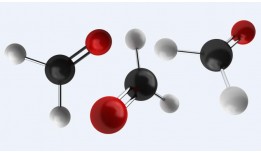
PTFE Tensile Properties and High Voltage Uses
Polytetrafluoroethylene (PTFE) is a synthetic material accidentally invented in the late 1930s while a chemist was endeavoring to develop a new type of perfluorethylene-based refrigerant. Rather than achieving a chlorofluorocarbon, the scientist was surprised to find that the perfluorethylene use...Read more