

ePTFE and PTFE both come from polytetrafluoroethylene, but they have different internal structures, processing methods, and applications. PTFE usually refers to dense polytetrafluoroethylene. ePTFE means expanded PTFE, which contains a fine microporous structure created through a specialized stretching process.
Neither material is universally better. The right choice depends on the product design, sealing requirements, working medium, temperature, pressure, and manufacturing process.
What Is PTFE?
PTFE is a high-performance fluoropolymer with excellent chemical resistance, low friction, non-stick properties, electrical insulation, and wide temperature capability. Manufacturers process PTFE powder through molding, extrusion, sintering, skiving, machining, and other methods.
Dense PTFE is widely used to produce tubes, rods, sheets, hoses, gaskets, seals, valve seats, bushings, guide rings, linings, and custom components. Its stable shape and chemical resistance make it suitable for chemical equipment, pumps, valves, laboratory systems, semiconductor equipment, and industrial fluid handling.
What Is ePTFE?
ePTFE stands for expanded polytetrafluoroethylene. Manufacturers expand PTFE through a controlled stretching process. This creates a microporous structure inside the material.
The microporous structure gives ePTFE flexibility, compressibility, surface conformity, and controlled permeability. Common ePTFE products include expanded hoses, sealing tapes, gasket sheets, membranes, filter materials, breathable structures, and selected medical components.
ePTFE retains the chemical resistance of PTFE, but its density, strength, compression behavior, and permeability differ from dense PTFE. Engineers should therefore select ePTFE according to its actual structure and application requirements.
Main Differences Between ePTFE and PTFE
| Comparison | PTFE | ePTFE |
|---|---|---|
| Structure | Dense structure | Microporous expanded structure |
| Key Properties | Chemical resistance, low friction, insulation, and temperature resistance | Flexibility, compressibility, surface conformity, and controlled permeability |
| Common Products | Tubes, rods, sheets, hoses, seals, gaskets, and linings | Expanded hoses, sealing tapes, membranes, and filter materials |
| Typical Processing | Molding, extrusion, sintering, skiving, and machining | Stretching, expansion, specialized extrusion, and composite processing |
| Typical Applications | Chemical equipment, valves, pumps, machinery, and electrical insulation | Sealing, filtration, venting, waterproofing, and medical structures |
When Should You Choose PTFE?
Dense PTFE is usually suitable when the product needs fixed dimensions, structural support, low friction, chemical resistance, or electrical insulation. PTFE rods and tubes can also serve as machining blanks for seals, bushings, valve seats, guide parts, insulators, and other custom components.
Filled PTFE grades can improve wear resistance, load capacity, creep resistance, or dimensional stability. Common fillers include bronze, carbon fiber, glass fiber, and graphite.
When Should You Choose ePTFE?
ePTFE is a better option when the product needs flexibility, compression, surface conformity, or microporous performance. It is commonly considered for sealing tapes, gasket materials, expanded hoses, membranes, and filtration structures.
The final design depends on density, pore structure, thickness, tensile strength, compression behavior, and the required permeability. ePTFE products require processing routes that differ from conventional dense PTFE products.
SUKO’s PTFE and ePTFE Experience
SUKO has worked with PTFE materials, products, processing methods, and dedicated machinery for more than 14 years. We continue to improve equipment and production processes according to product dimensions, material grades, and output requirements.
SUKO has also followed ePTFE development since the material entered industrial use. Today, we can produce selected ePTFE products and provide equipment for volume production. Our SK4 ePTFE hose extrusion machine supports ePTFE hose manufacturing and helps customers move from product development to stable production.
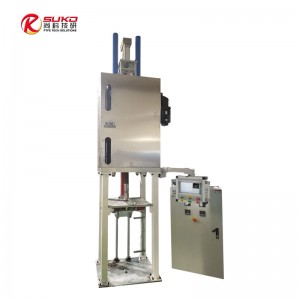
For dense PTFE, SUKO supports a broader product range, including PTFE tubes, rods, sheets, hoses, seals, gaskets, linings, guide rings, fittings, and custom components. We can also provide related PTFE processing equipment and production-line solutions.
Need Help Choosing Between ePTFE and PTFE?
Send us your product drawing, sample, dimensions, working medium, temperature, pressure, and target output. SUKO can review the material structure, product form, processing route, and equipment requirements together.
Phone / WhatsApp: +86 199 7511 3419
Email:info@ptfe-machinery.com
Website:https://www.sukoptfe.com/contact/
Post time: Sep-14-2026